About Us

About Spalding Collaborative
We are committed to our mission of improving conditions for at-risk children, families, and communities. They work closely with communities to:
- foster relationships with local partners,
- increase policymakers’ awareness of local issues,
- implement proven programs and practices, and
- leverage additional funding to support community plans
Each Collaborative brings together – at the same table – the social worker, the nurse, the sheriff, the teacher, the minister, the business person, the public servant, and parents, then let them figure out the best way to help their kids thrive. We discuss our visions for our communities, assess the needs in our counties, then decide how our organizations can best work together to meet those needs.
Together we set an agenda that establishes our priorities and allocates resources to achieve results for families and children. We measure results for our work by tracking locally selected indicators of child well-being using Georgia KIDS COUNT data. KIDS COUNT is a state and national effort funded by the Annie E. Casey Foundation to track the status of children.
We believe that local decision-making – grounded in reliable data and best practices – will drive the change we want to see in our communities. We want our kids to be healthy, ready to start school and do well when they get there, we want our families to be stable and self-sufficient, and we want them to live in strong communities. We’ve been making that happen for more than 20 years.
If you (individual or organization) share our vision, join us at the Collaborative table by completing our membership form. Click HERE to complete the form.
To receive the weekly newsletter, sign up HERE.
Do you need other information about Spalding Collaborative? Contact us at info@spaldingcollaborative.com
Little Free Library Initiative
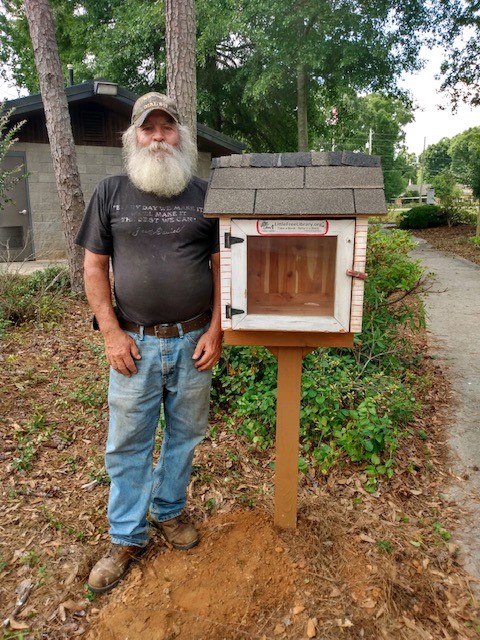
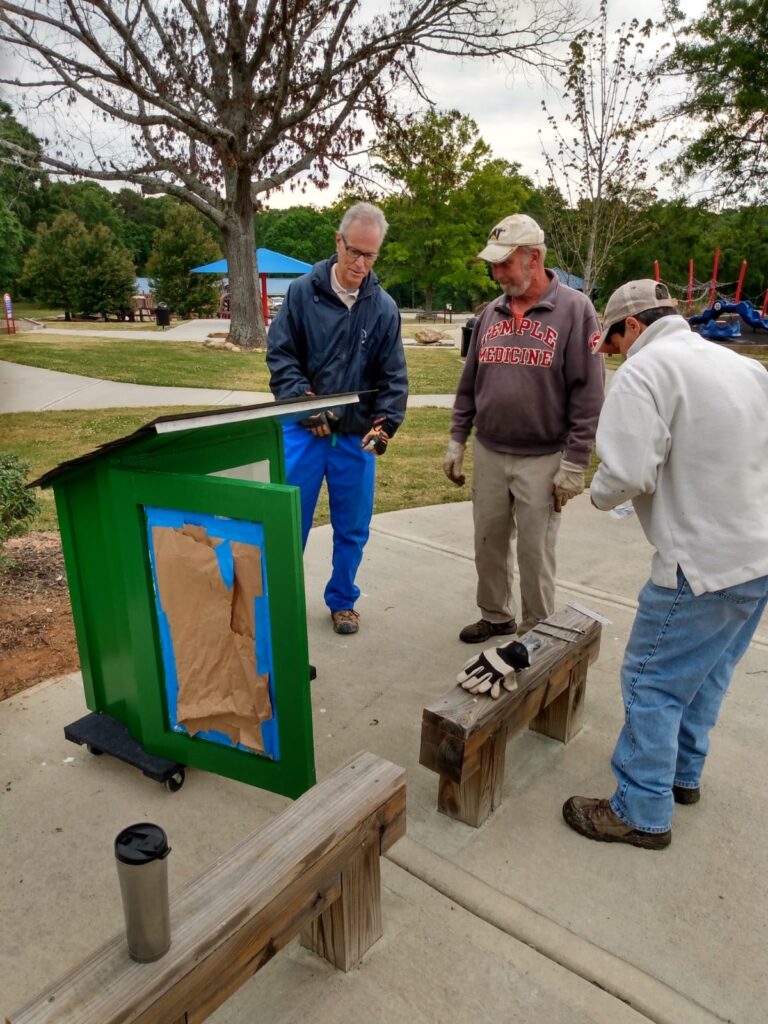
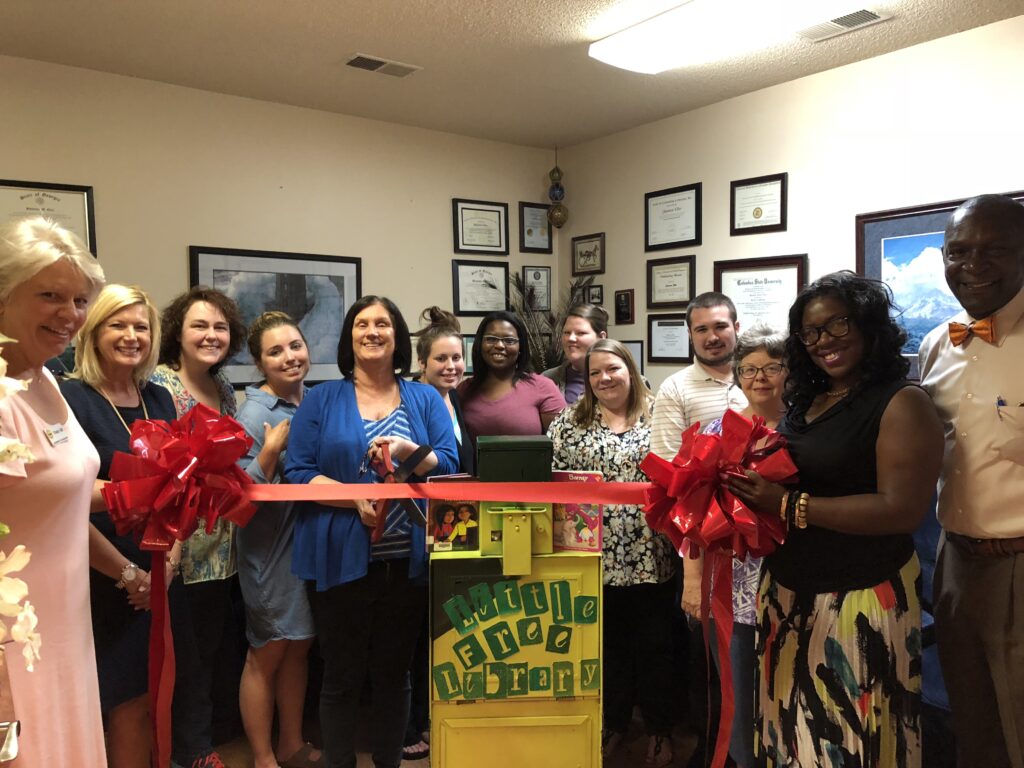
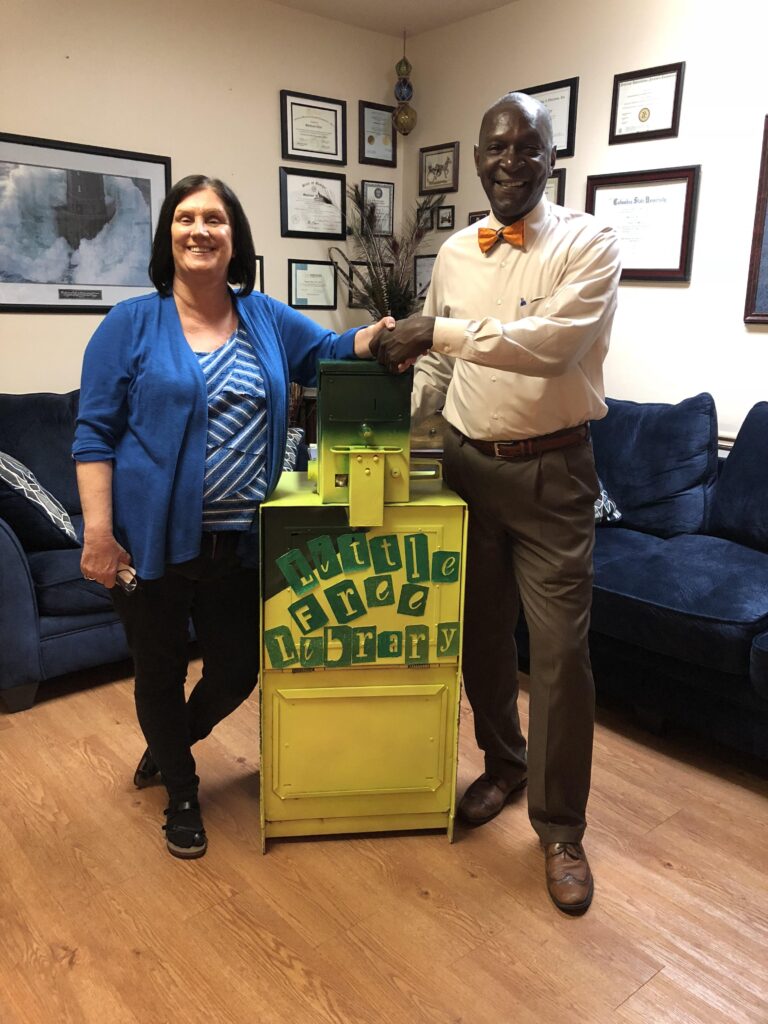
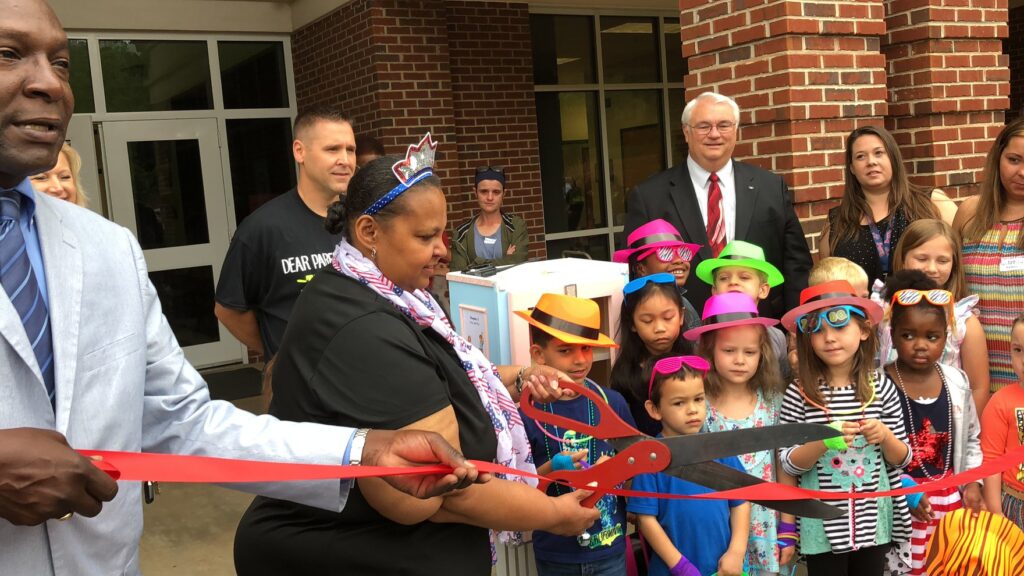
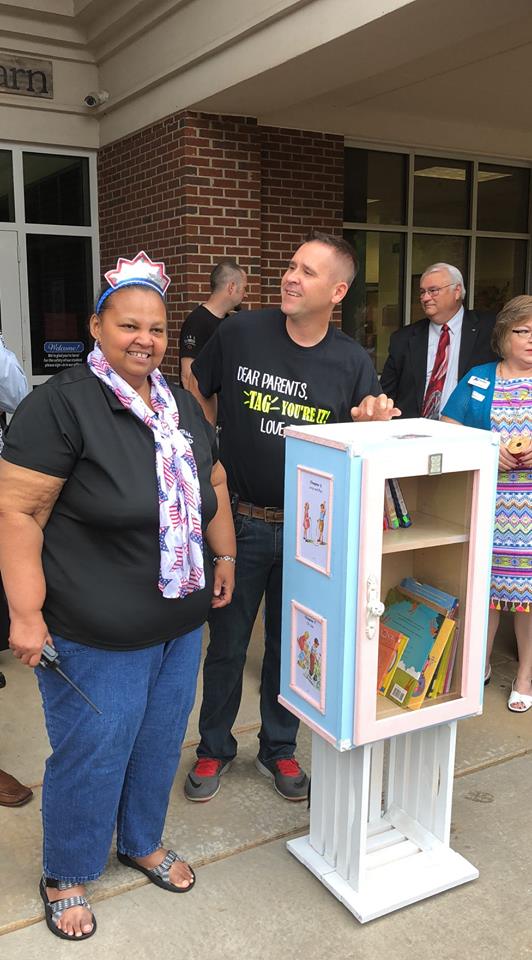
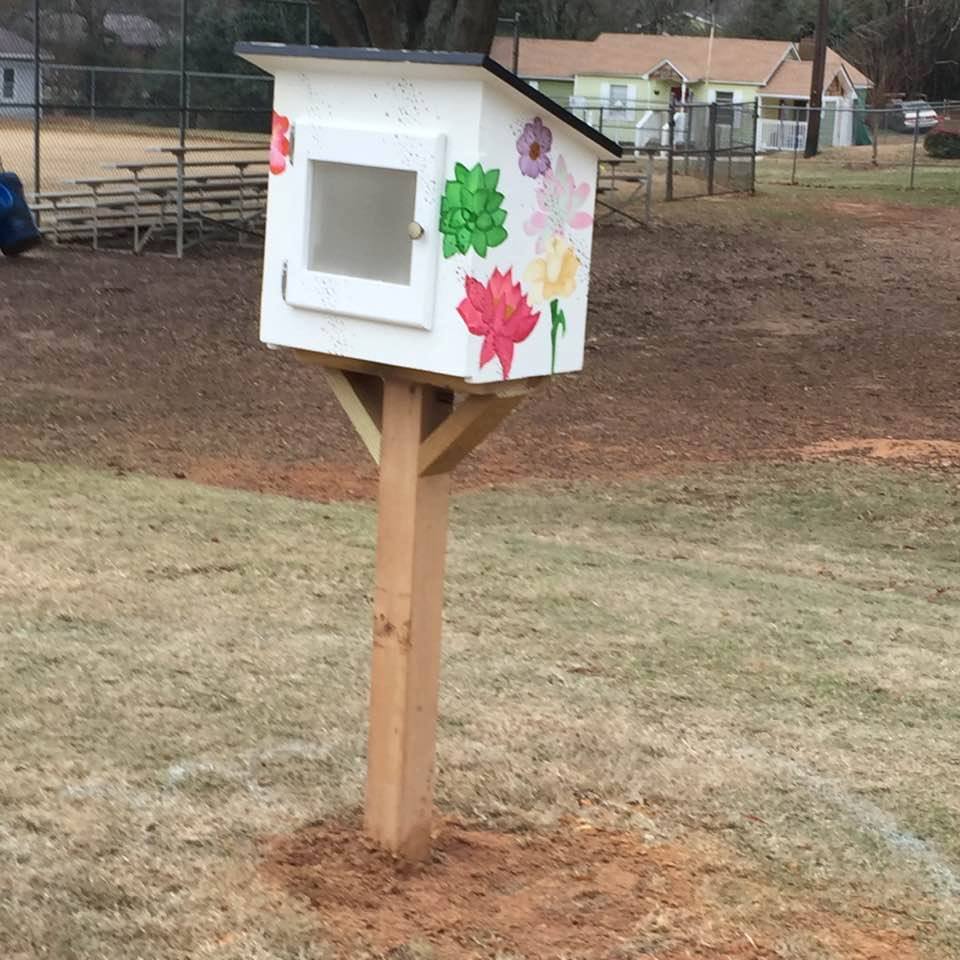
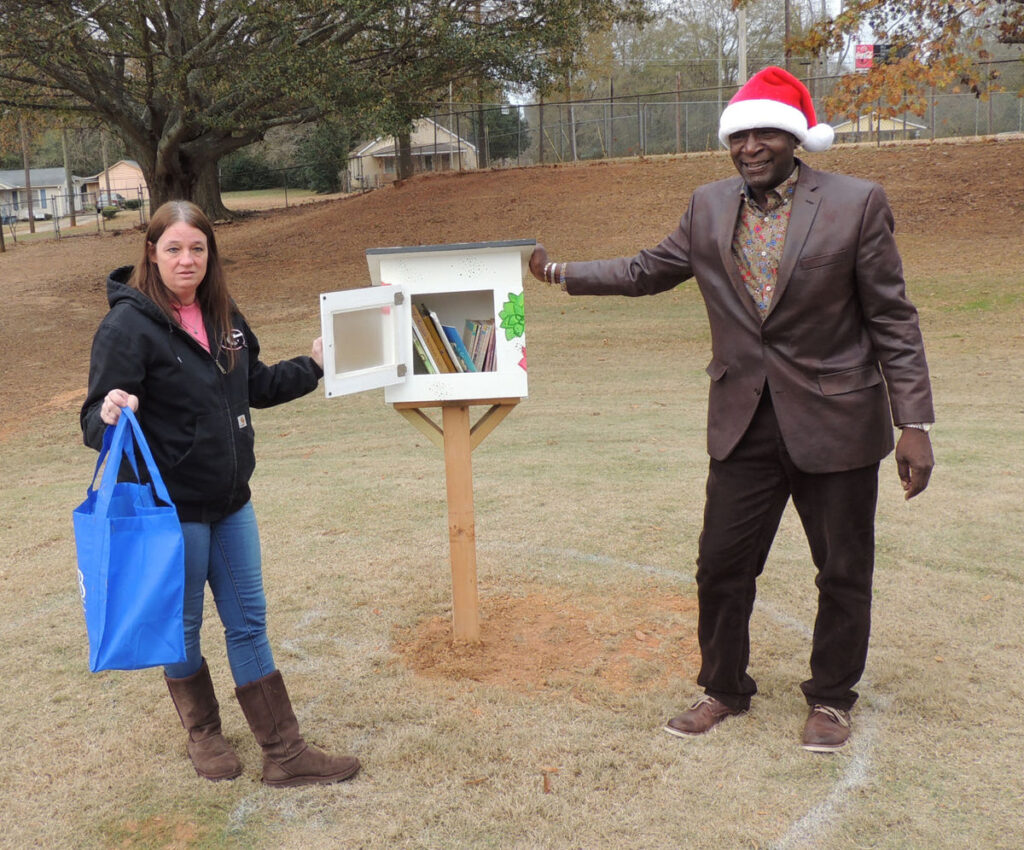
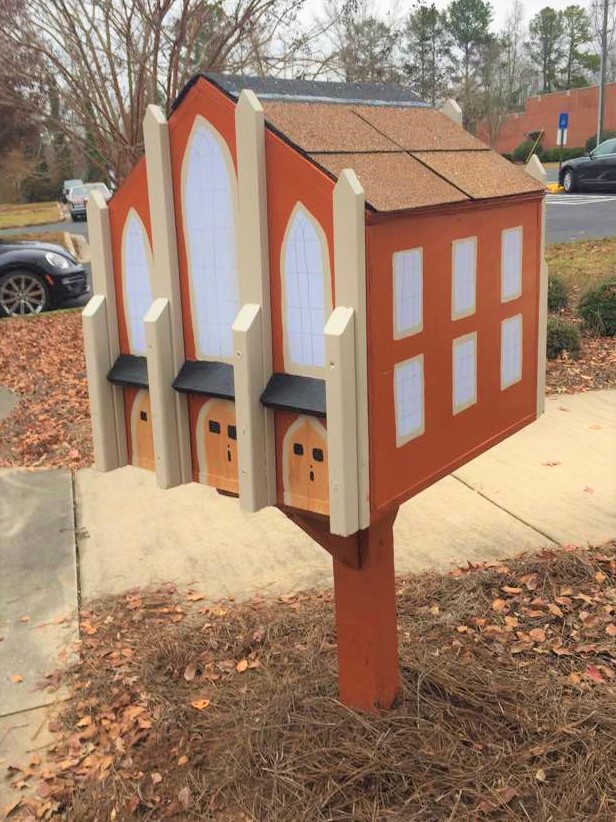
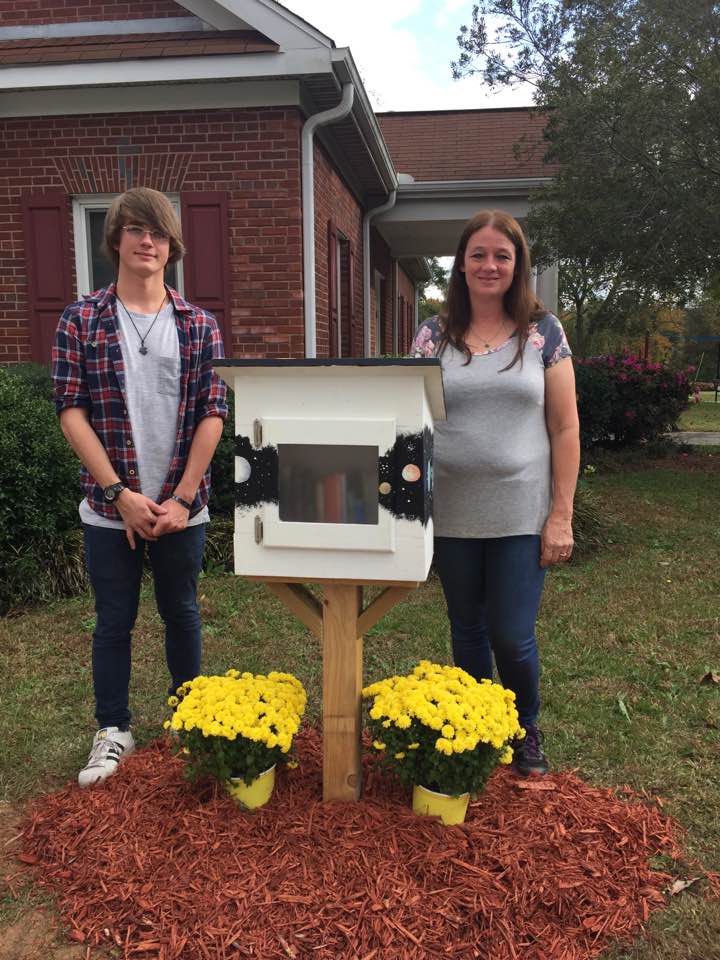
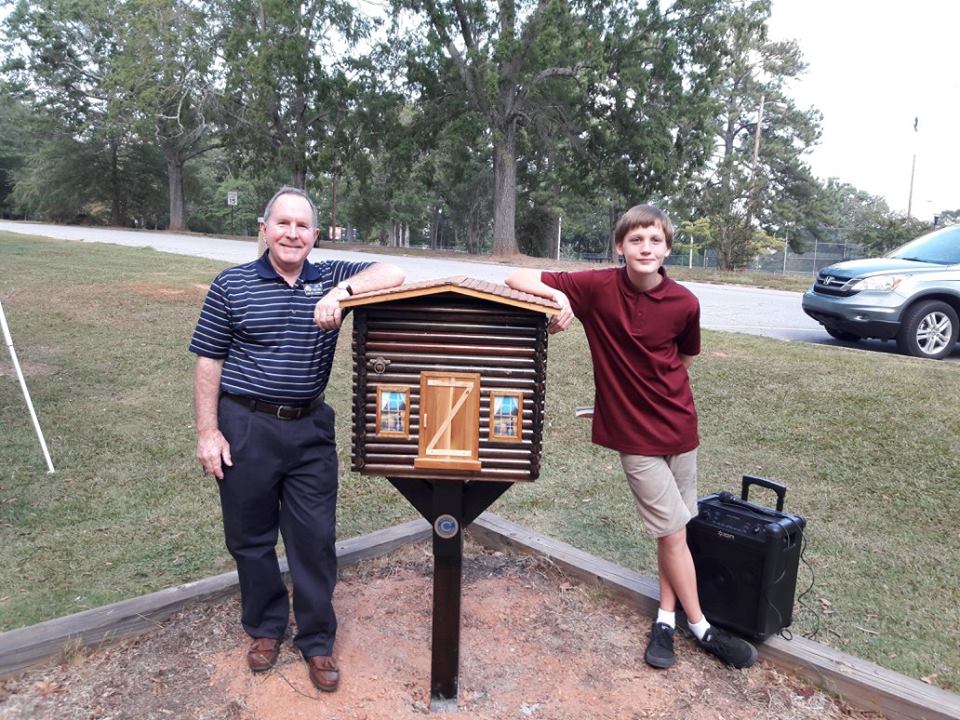
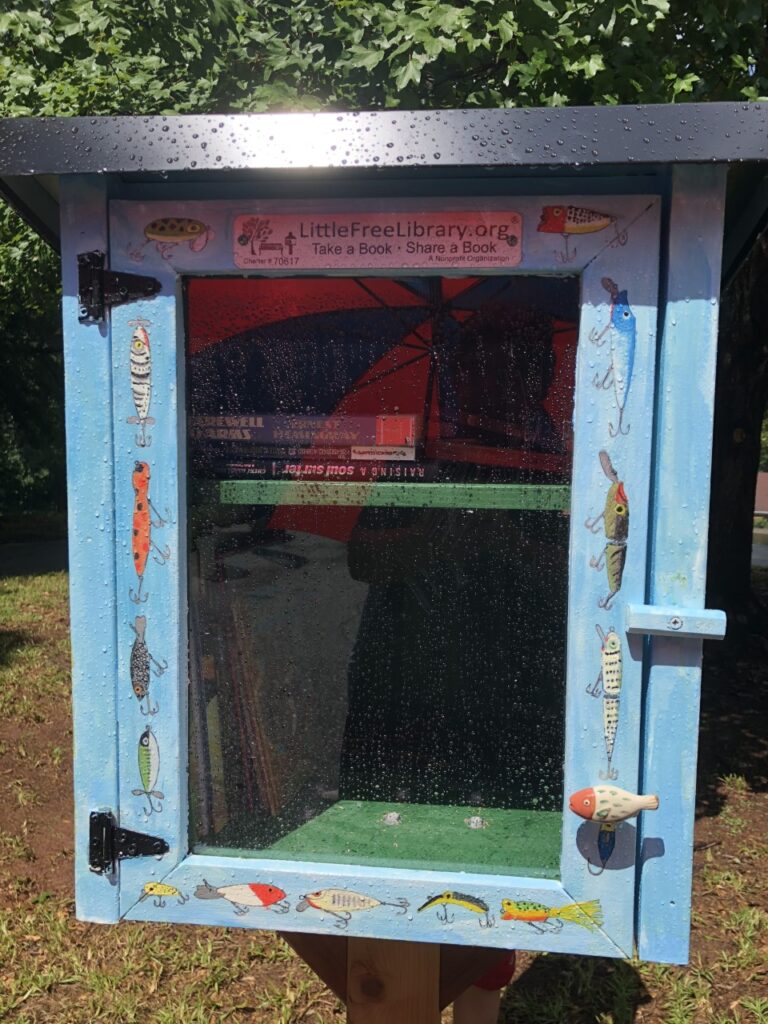
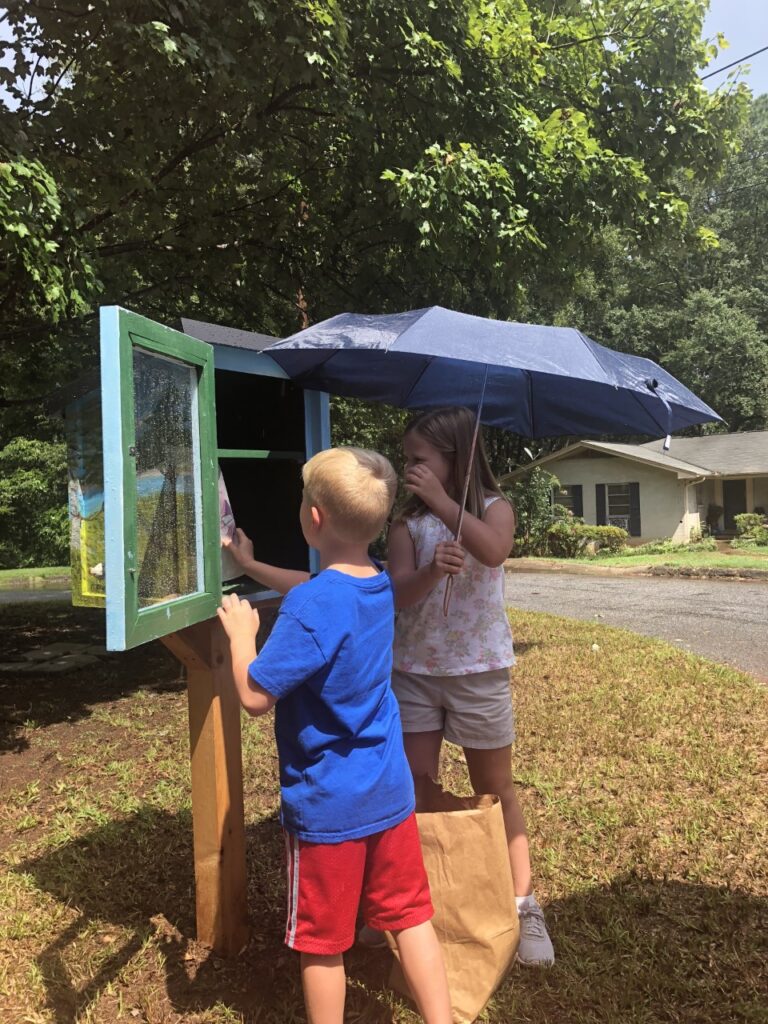
Through the Little Free Library program books are made available to families and children in the community. There are over 30 little free library boxes, 2 book drop boxes, 1 art box and 1 plant pallet exchange located throughout the city of Griffin and Spalding County, with more being installed soon. Little Free Libraries work on a book exchange concept where you are encouraged to take a book and leave a book, but leaving a book is not a requirement. Below, are some of the Little Free Libraries installed in the community.





About Georgia Family Connection
Georgia Family Connection, a statewide infrastructure for aligning efforts across sectors, comes together through two distinct but connected change-makers: a statewide network of Collaboratives in all 159 counties and Georgia Family Connection Partnership (GaFCP). Each strengthens the other—and together, they form Georgia Family Connection.
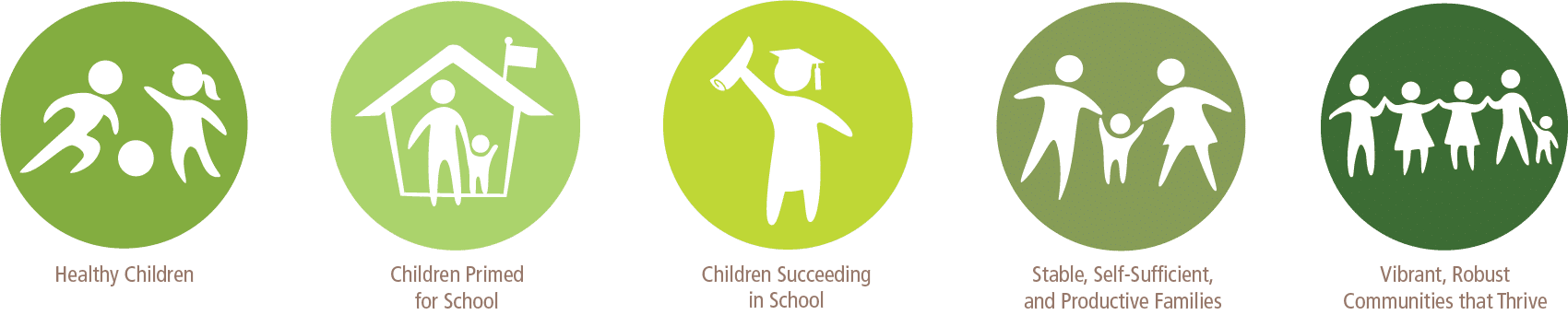
We work toward measurably better outcomes across five key result areas:
The Georgia Family Connection statewide network—the only one of its kind in the country—works alongside children, families, and communities to help them thrive by crafting local solutions that maximize resources and make systems more effective and efficient. This network cultivates collaboration among community service providers, reducing duplication of efforts and allowing everyone to do more with the resources available.
Collaboratives equip local service agencies and organizations with the tools and methods they need to be more effective, helping them develop and work together on integrated strategies to improve child, family, and community well-being. We fill in service gaps in our communities by functioning as an incubator for direct services to families and children when a need isn’t being met. We also respond to urgent situations by maintaining strong relationships and the infrastructure necessary to deliver timely support.
GaFCP unites the statewide network in a shared framework that promotes consistent, ongoing collaboration and peer learning—equipping Collaboratives to draw on communities’ collective wisdom and experience across the state. GaFCP develops effective partnerships with state leaders, private enterprises, and other stakeholders to link the network with public and private funding, resources, talent, and innovation. GaFCP also empowers leaders across Georgia by making data accessible and providing practical tools, training, and technical assistance to support informed decision-making.